Introduction
In modern industrial electrical installations, the integrity of cable connections is paramount. Cable glands serve as critical entry points, securing cables to enclosures, bulkheads, and machinery. However, environmental factors like thermal expansion, mechanical vibrations, and structural shifting constantly threaten connection stability. This is where serrated lock washers become indispensable, acting as a crucial component to prevent hardware loosening and ensure constant earthing contact.
What Are Serrated Washers?
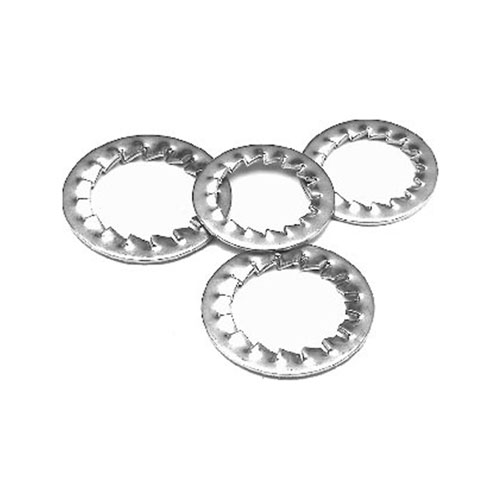
Serrated washers, also known as shake-proof or tooth lock washers, are specialized fastening discs featuring internal or external teeth (serrations) distributed along the circumference. When compressed under tightening torque, these teeth bite into the mating surfaces of the enclosure wall, cable gland body, and locknut. Unlike flat washers that simply distribute load, serrated washers actively lock assemblies in place through physical surface engagement.
How They Work
When a cable gland is threaded through a panel and secured with a locknut, a serrated washer is placed between the locknut and the panel wall. As torque is applied:
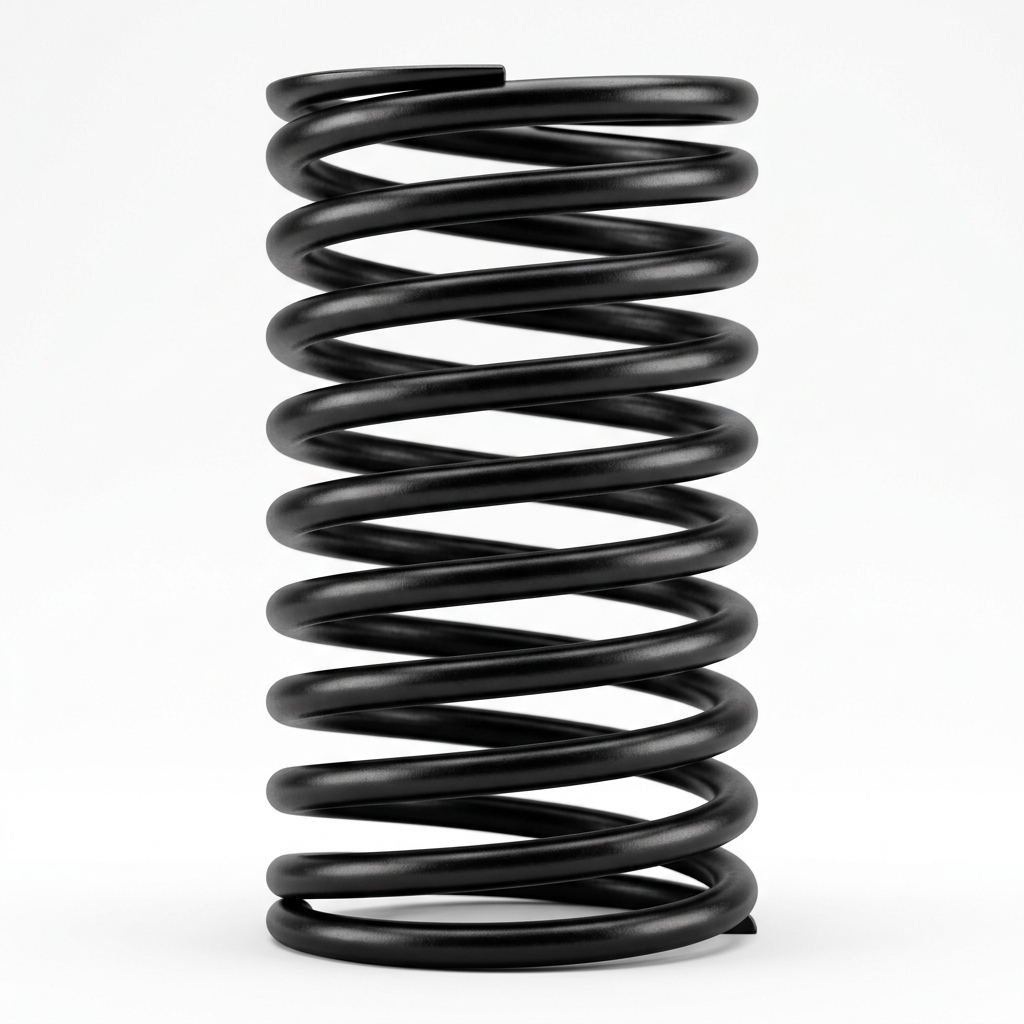
- The serrated teeth flex slightly, storing spring tension like a compact disc spring.
- The sharp edges of the teeth bite into the metal surfaces of both the panel and the nut.
- This mechanical bite creates multiple micro-connections, establishing an low-resistance electrical path that penetrates paint, oxide layers, and anodized coatings (crucial for proper grounding/earthing).
- The friction between the bite marks opposes the rotation of the locknut, resisting backward rotation induced by vibrations.
Design Features
Serrated washers are typically cataloged under two major profiles: Internal Serrations (DIN 6798J) and External Serrations (DIN 6798A). External serrated lock washers are heavily preferred for cable glands as the teeth reside on the outer circumference, maximizing the moment of force resistance and ensuring complete surface bite across the wider perimeter of the gland flange and panel entry.
Material Options
Depending on the operating environment, raw material properties dictate service longevity. Standard options include:
- Spring Steel: Heat-treated carbon spring steel offers high tensile strength and compression recovery, finished with black phosphate or zinc plating.
- Stainless Steel (SS304/SS316): Ideal for marine, coastal, and chemical environments to resist galvanic and atmospheric corrosion.
- Excellent Grounding/Earthing: They bite directly through surface coatings, paint layers, and oxide film, creating metal-to-metal contact essential for stray current pathing.
- Anti-Vibration Locking: The teeth prevent the locknut from spinning loose under machinery vibration.
- Deflection Recovery: Compensates for slight thermal contraction/expansion cycles.
- Place the serrated washer on the inside of the enclosure panel wall, sandwiched between the panel and the locknut.
- Ensure the locknut is tightened to the manufacturer's recommended torque specifications. Over-tightening can flatten the teeth entirely, reducing spring back tension.
- Inspect the surface for excessive grease or oily lubricants that could reduce structural friction.
- Reusing Washers: Once compressed and bit into metal, the teeth lose their spring tension and sharp edges. Reusing a flattened washer compromises safety.
- Incorrect Placement: Placing the washer on the outside of the panel directly below the gland body head rather than behind the wall, reducing locking efficiency.
| Parameter | Specification Details |
|---|---|
| Material | High Carbon Spring Steel, Stainless Steel (SUS 304, SUS 316) |
| Surface Finish | Zinc Plating, Trivalent Blue/Yellow Passivation, Black Phosphate, Zinc Flake |
| Hardness | 390 - 510 HV (Rockwell Hardness HRC 40 - 50) |
| Available Sizes | M12 to M75 (Supporting DIN and Metric Cable Gland entry threads) |
| Operating Temperature | -60�C to +300�C (Finishing dependent) |
| Applications | Electrical Panels, Junction Boxes, Cable Glands, Earthing Plates |
| Industry Standards | Conforms to DIN 6798 Type A (External) and DIN 6798 Type J (Internal) |
Advantages
Installing serrated washers alongside cable glands provides clear operational benefits:
Installation Tips
To achieve peak locking and grounding performance:
Common Mistakes
Many field issues stem from basic assembly mistakes:
Maintenance
During routine panel inspections, verify that there is no sign of oxidation or discoloration around the washer borders, which could indicate moisture ingress or loose grounding connection points. Loose fasteners should be replaced rather than simply retightened.
Conclusion
Serrated washers are small but vital components in ensuring the structural and electrical safety of cable gland assemblies. By preventing vibrational loosening and securing low-resistance earthing contact, they protect complex industrial equipment from grounding faults and shutdowns. For heavy-duty engineering applications, choosing high-hardness DIN 6798 washers is a standard best practice.